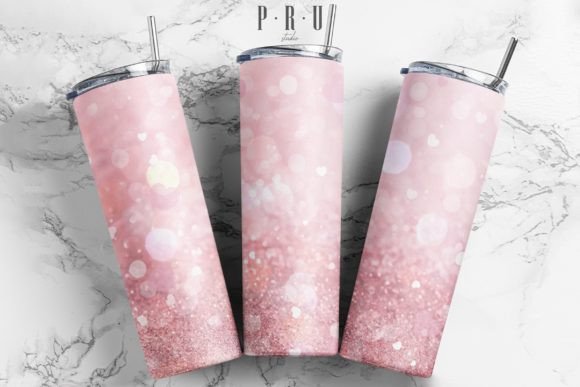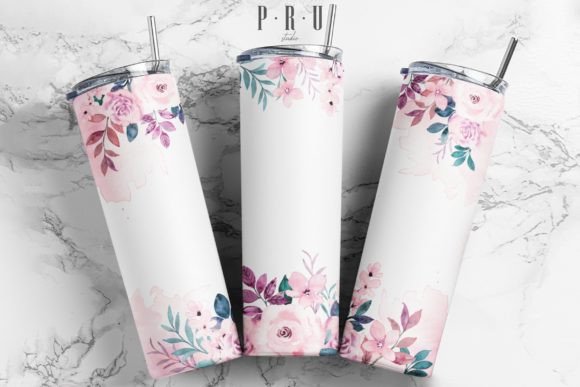
20 Oz Skinny Tumbler Flower Sublimation
A Designer’s First Glance: Delicate, Focused, and Purpose-Built
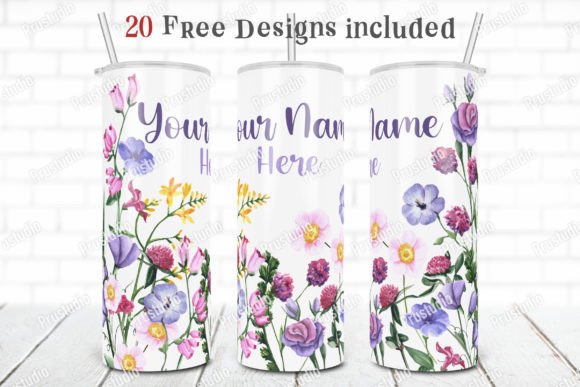
When I opened the 20 Oz Skinny Tumbler Flower Sublimation file—PNG format, as noted—I wasn’t looking for flash or complexity. I was scanning for intentionality: Does this design *breathe* on a narrow vertical surface? Does its floral motif carry enough visual weight without overwhelming? The answer is yes—quietly. It’s not a sprawling bouquet; it’s a curated stem with soft petals, gentle curves, and intentional negative space. That tells me it was designed for clarity at scale, not just decoration. As a designer who regularly adapts graphics for embroidery, I immediately pictured it stitched onto a linen tea towel—clean, botanical, and boutique-ready—not lost in texture, but elevated by it.
Where This Design Truly Shines (and Where It Doesn’t Try To)
The 20 Oz Skinny Tumbler Flower Sublimation isn’t pretending to be a full-coverage sweatshirt motif or a dense applique patch. Its strength lies in restraint. I tested a mockup on a lightweight cotton tote bag: the slender proportions aligned perfectly with the side seam, and the flower sat comfortably within a 4” x 6” hoop—ideal for small-batch craft business production. On baby onesies? It reads as sweet and subtle, not fussy—especially when stitched with matte pastel threads. For holiday embroidery, think minimalist Christmas gift tags or embroidered kitchen towels for hostess gifts. It also translates beautifully into printable mockups for Etsy sellers: clean lines hold up in digital previews, helping customers visualize the handmade product before purchase.
Real-World Fit: From Caps to Custom Apparel
I’ll be honest—this isn’t a go-to for curved surfaces like baseball caps. The vertical flow works best on flat or gently contoured areas: the front chest of a crewneck sweatshirt, the lower corner of a pillow cover, or centered on an apron pocket. On stretchy fabric? Proceed with caution: the design’s fine petal edges rely on stable tension. I’d pair it with medium-weight cutaway stabilizer and avoid high-stretch knits unless testing first. Dark fabric brings out richness—but only if thread contrast is considered thoughtfully. A charcoal gray sweatshirt with ivory satin stitch? Elegant. Navy with light yellow fill? Cheerful and legible. Always test thread colors on scrap fabric—what looks balanced on screen rarely mirrors stitch density in real life.
What You’ll Notice After Stitching (Not Just Before)
Once stitched, the 20 Oz Skinny Tumbler Flower Sublimation gains quiet authority. It doesn’t shout—it invites closer look. That matters for handmade presentation. Customers browsing a local craft fair respond differently to embroidery that feels intentional versus decorative filler. This design supports brand consistency: whether you’re selling embroidered nursery decor or launching a small shop product line around seasonal florals, it delivers cohesion without repetition. And because it avoids tiny lettering, dense fill areas, or fragile micro-details, it holds up across wash cycles—critical for baby embroidery or kitchen textiles meant for daily use.
Design Assets That Earn Trust—Not Just Attention
As an embroidery product reviewer, I pay close attention to how a digital embroidery file shapes buyer engagement. The 20 Oz Skinny Tumbler Flower Sublimation builds trust through simplicity done well. No overpromising. No misleading previews. It’s clearly labeled as a PNG file for sublimation—and while we’re adapting it for machine embroidery, that origin informs its clean edges and scalable vector-like clarity. That transparency helps Etsy sellers write accurate listings and manage expectations. When your customer receives a finished product that matches the mockup—and feels as refined in person as it did online—you’ve just earned a repeat buyer.
Practical Notes Every Embroidery Designer Should Check
- Test first—Always run a sample on scrap fabric matching your final project’s weight and texture.
- Review stitch density—Even simple-looking florals can pack tight fills. If your machine hesitates or fabric puckers, reduce density slightly or adjust underlay.
- Confirm hoop size compatibility—This design fits standard 4” x 4” and 5” x 7” hoops, but verify before digitizing or stitching.
- Inspect small details—Petals and stems may need slight cleanup in your embroidery software if converting from PNG to stitch format.
- Try black-and-white mockups—They reveal contrast issues invisible in color previews.
- Compare light/dark backgrounds—Stitch visibility changes dramatically depending on base fabric tone.
- Use proper stabilizer—Lightweight tear-away works for cotton; cutaway is safer for knits or textured fabrics like terry cloth.
- Check licensing—Since this is a digital embroidery file, confirm usage rights before selling finished products or bundling it into design assets.
Final Thought: A Quiet Workhorse for Thoughtful Makers
The 20 Oz Skinny Tumbler Flower Sublimation won’t dominate your portfolio—but it might become your most reliable repeat performer. It’s the kind of embroidery file that disappears into the product just right: enhancing a custom apparel piece without competing with it, adding value to a personalized gift without cluttering it, and supporting a craft business’s aesthetic without demanding constant reinvention. Whether you’re an experienced designer prepping for client work or a hobbyist building confidence with their first embroidered tote bag, this is a design that respects your time, your materials, and your standards. It belongs in the Crafts category not because it’s basic—but because it’s built for making, not just showing.