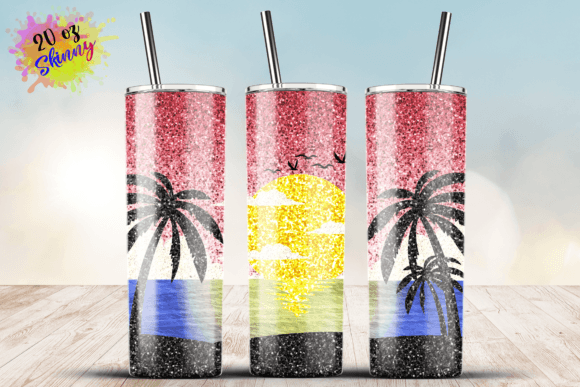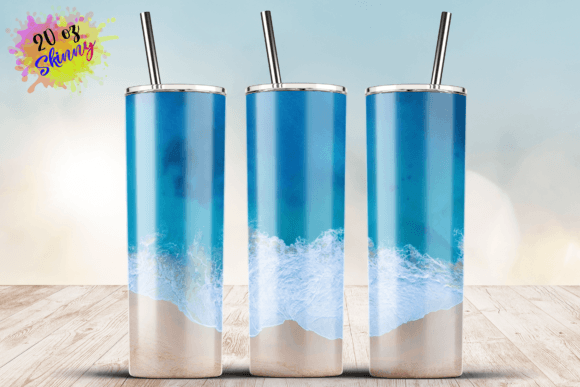
Beach 20oz Skinny Tumbler Sublimation
A Designer’s First Glance: Light, Lighthearted, and Ready for Summer
When I opened the Beach 20oz Skinny Tumbler Sublimation file, I didn’t see just another digital graphic—I saw a mood. Clean lines, breezy negative space, and that unmistakable coastal rhythm: palm fronds, a subtle wave curve, maybe a sun-drenched tumbler silhouette. It’s not overly detailed, but it’s intentional—designed to breathe on fabric, not fight it. As an embroidery designer who’s stitched everything from nursery onesies to boutique aprons, I immediately pictured this as a custom embroidered tote bag for a local beachside café or a lightweight sweatshirt for summer markets. The visual personality leans casual, cheerful, and uncluttered—perfect for handmade products where clarity matters more than complexity.
Where This Design Shines (and Where It Needs Care)
In real-world embroidery projects, the Beach 20oz Skinny Tumbler Sublimation performs best when treated like what it is: a lifestyle motif, not a technical showcase. On a medium-weight cotton tote? Excellent. The open layout allows fill stitches to settle evenly, and satin-stitched outlines hold crispness without puckering. On a baby onesie? I’d use it as a small chest accent—its scale and simplicity avoid overwhelming delicate fabric. As a personalized gift for a beach wedding favor (think embroidered tea towel or pillow cover), it adds charm without competing with monograms or names.
But let’s be honest: this isn’t a design built for every surface. On curved surfaces like caps, the horizontal flow can distort unless digitized with careful underlay and reduced stitch density. On stretchy fabric (like lightweight knits), skip dense fill areas unless you’re using cutaway stabilizer and testing tension first. And if you’re planning to stitch it on dark fabric, check contrast in your embroidery software—some sublimation-inspired graphics rely on light-on-dark optical tricks that don’t always translate cleanly into thread. It’s also not ideal for tiny hoops under 4x4 inches without simplification; fine details like subtle wave textures may collapse or stitch inconsistently.
What It Adds to Your Finished Product—Beyond Aesthetics
Customers don’t just buy embroidered items—they buy feeling. The Beach 20oz Skinny Tumbler Sublimation delivers instant recognition and seasonal warmth. When used thoughtfully on a small shop product, it elevates perceived value: a plain canvas apron becomes a branded coastal kitchen essential; a basic sweatshirt gains personality without looking mass-produced. That matters for Etsy sellers and craft fair vendors—shoppers scroll fast, and this design stops them with its relaxed confidence.
It also supports brand consistency. If your craft business centers on coastal living, wellness, or slow-living aesthetics, this graphic slots neatly into your visual language—no rebranding needed. And because it avoids fussy details, it holds up well across mediums: as a digital embroidery file, a printable mockup for social media, or even a simplified applique design. Just remember—its strength lies in restraint. Over-embellishing it with extra borders or shadow effects dilutes its appeal.
Practical Notes Every Embroidery Designer Should Check
- Test on scrap fabric first—especially if stitching on textured fabrics like linen-blend tea towels or looped terrycloth.
- Review stitch density before running full production. Sublimation-style graphics sometimes translate to heavier fills than expected.
- Confirm hoop size compatibility. While the design feels scalable, verify whether the native file fits comfortably within your most-used hoops (e.g., 5x7 or 6x10).
- Inspect small details at 200% zoom—look for stray nodes, overlapping paths, or lettering thinner than 1.8mm (which risks breaking in satin stitch).
- Try black-and-white mockups to assess contrast on both light and dark backgrounds—it reveals legibility gaps no color preview catches.
- Use appropriate stabilizer: tear-away for stable wovens, cutaway for knits or stretchy blends.
- Check licensing terms before selling finished items commercially or bundling the file into your own digital product shop—this listing confirms it’s a digital embroidery file, but commercial rights aren’t stated here.
Real-World Fit: Not Just for Tumblers
Despite its name, the Beach 20oz Skinny Tumbler Sublimation doesn’t need to live on drinkware. Last week, I used a similar coastal motif (scaled and adapted) on a set of linen pillow covers for a client’s seaside rental—and the feedback was immediate: “It feels like vacation, but not cheesy.” That’s the sweet spot. It works as a holiday embroidery accent on a July 4th picnic blanket, as a patch sewn onto a denim jacket, or as a subtle corner detail on a baby blanket. Its versatility comes from its quiet confidence—not shouting, just belonging.
Final Thought: A Thoughtful Tool, Not a Magic Fix
The Beach 20oz Skinny Tumbler Sublimation won’t replace custom digitizing—but it *is* a reliable, mood-aligned asset for crafters who value efficiency without sacrificing authenticity. For creative entrepreneurs juggling Etsy listings, craft fairs, and client work, it’s the kind of design asset that saves time while keeping output cohesive. Just treat it like any other machine embroidery design: test, adapt, and trust your eye over the thumbnail. Because in the end, what makes a handmade product memorable isn’t how many stitches it has—it’s how clearly it says, “This was made for *you*.” And this one? It says that quietly, confidently, and with just the right amount of salt air.