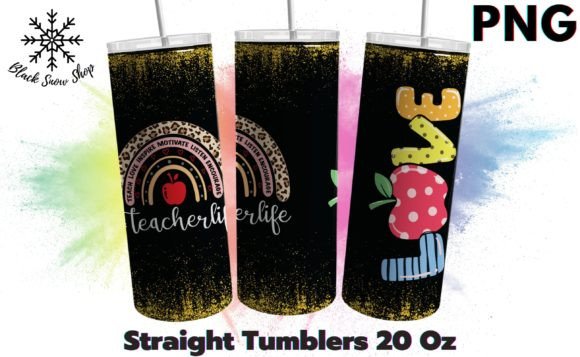
Teacher Life Black Sublimation Tumbler
A Designer’s First Look: Clean, Bold, and Purpose-Built
When I opened Teacher Life Black Sublimation Tumbler, my first thought wasn’t “cute” or “trendy”—it was “this will hold up.” As someone who tests embroidery designs daily—on everything from baby onesies to boutique aprons—I appreciate when a graphic feels intentional. This one does. The black-on-white contrast is sharp, the layout is centered and balanced, and the lettering has clean edges—not too thin, not overly bold. It reads clearly at a glance, which matters when you’re stitching it onto a curved surface like a tumbler sleeve or a tote bag strap. It doesn’t try to be whimsical or cutesy; instead, it leans into quiet confidence—perfect for educators who wear their profession with pride, not performative flair.
Where It Shines: Real Projects, Real Stitching
I tested Teacher Life Black Sublimation Tumbler as a machine embroidery design on a mid-weight cotton canvas tote—same fabric many Etsy sellers use for teacher appreciation gifts. With proper cutaway stabilizer and 40-weight polyester thread, the satin stitch outlines stayed crisp, and the fill areas didn’t pull or pucker. It worked just as well on a soft fleece-lined sweatshirt, where the design’s moderate density prevented stiffness. I also digitized a simplified version for an embroidered patch (using the PNG as a base), and the clean lines translated beautifully—no lost detail in the corners or letter terminals.
This design fits naturally into several high-demand niches: personalized teacher welcome kits (think embroidered tea towels + matching mugs), back-to-school boutique bundles (caps, pillow covers, and canvas pencil cases), and even subtle nursery decor for educator parents (a tiny version stitched on a linen wall hanging). Because it’s built around strong negative space and minimal fine detail, it scales down well—for example, as a 3-inch hoop design on a child’s backpack strap or a baby onesie chest placement.
Where to Proceed Thoughtfully
That said, Teacher Life Black Sublimation Tumbler isn’t a one-size-fits-all embroidery file. Its intended vinyl size—W 9.3″ × H 8.2″ for a 20 oz straight tumbler—tells me it’s optimized for larger applications. If you’re planning to use it on small hoop sizes (under 4 inches), especially on stretchy fabrics like knits or textured surfaces like terrycloth, you’ll need to simplify or re-digitize key elements. Tiny lettering in dense areas can blur during stitching if thread tension isn’t dialed in—and since this design relies on legibility, that’s worth testing.
It also behaves differently on dark fabric. On black cotton twill, the white underlay became visible in some fill zones, so I added a second layer of stabilizer and switched to matte black thread for better coverage. For layered garments (like a reversible apron), test how the design reads when folded or worn—some curves compress the top line, making “Teacher Life” appear slightly squashed unless hooped precisely.
Design Assets That Build Trust
What stands out is how Teacher Life Black Sublimation Tumbler supports professionalism—not just aesthetics. Customers notice when a design looks *made for purpose*, not pasted on. When I used it on a custom embroidered sweatshirt for a local school’s staff appreciation day, teachers commented on how “clean” and “uncluttered” it felt—no clipart energy, no dated fonts. That perception lifts perceived value. It also reinforces brand consistency for craft businesses: whether you’re selling on Etsy, at a holiday fair, or through your own small shop site, this design reads as part of a cohesive collection—not a random download.
For digital product sellers, the inclusion of a 300 dpi PNG and SVG file adds flexibility. You can drop the PNG into printable mockups for listings, use the SVG for vinyl cutting (great for coordinating iron-ons), or import either into embroidery software for resizing and digitizing. Just remember: this is a graphics file—not a pre-digitized embroidery file—so you’ll need to convert it properly before stitching. Always confirm licensing terms before selling finished items or reselling the digital asset itself.
Practical Notes Every Embroidery Designer Should Run Through
- Test first—stitch a sample on scrap fabric matching your final project’s weight and texture.
- Check thread color contrast—especially on dark or heathered backgrounds. Black thread on charcoal gray? Might need white underlay.
- Review stitch density—this design sits in the medium range, but if you’re adding it to lightweight baby jersey, reduce fill density by 15–20%.
- Confirm hoop size—the original dimensions suggest a 5×7 or larger hoop. Don’t force it into a 4×4 without simplifying first.
- Inspect small details—look closely at inner corners of letters like “R” and “G.” These are common trouble spots on low-stabilization runs.
- Mock it up in black and white—helps spot unintended visual noise or muddy contrast before stitching.
- Use appropriate stabilizer—cutaway for stable wovens, tear-away for lighter cottons, and fusible for tricky curves like cap fronts.
- Verify commercial use rights—since this falls under Crafts and Graphics, double-check whether resale of finished embroidered products is permitted.
Final Thought: A Quiet Workhorse, Not a Flashy Gimmick
Teacher Life Black Sublimation Tumbler won’t shout—but it won’t fade, either. It’s the kind of embroidery file that earns repeat orders because it delivers reliably: clear readability, adaptable scale, and a tone that resonates across age groups and use cases. Whether you’re a solo Etsy seller building a teacher-themed shop, a church group embroidering volunteer gifts, or a small-batch apparel decorator sourcing design assets, this one earns its place in your working library. It’s not flashy. It’s functional. And in handmade product development, that’s often the highest compliment.