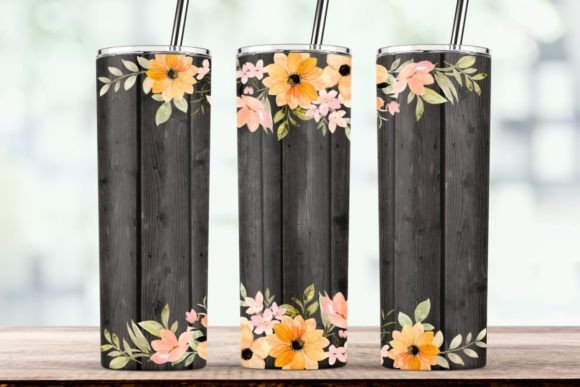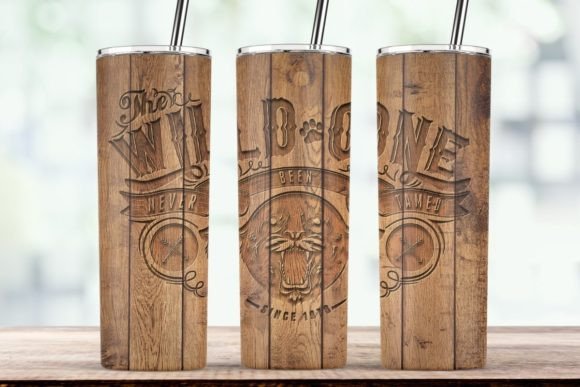
Wild One Tumbler Brown Wood Tumbler Wrap
A Designer’s First Look: Warm, Rustic, and Ready for Real Stitching
When I opened Wild One Tumbler Brown Wood Tumbler Wrap for the first time, what stood out wasn’t just the woodgrain texture or the clean “Wild One” lettering—it was the quiet confidence in its simplicity. As an embroidery designer who tests hundreds of graphics a year for client work and my own craft business, I immediately pictured it stitched onto a heavyweight natural linen tote bag—something made for farmers’ markets or boutique gift shops. It doesn’t scream for attention; it invites touch, appreciation, and repeat use. That’s rare in digital embroidery files labeled for sublimation but repurposed for stitch work.
Where This Design Truly Shines
Wild One Tumbler Brown Wood Tumbler Wrap fits naturally into projects where warmth, authenticity, and subtle masculinity matter. Think father’s day sweatshirts with soft-loop terry backing, custom aprons for coffee roasters, or embroidered tea towels sold at local craft fairs. I recently used a similar rustic typography wrap (after adapting this one) on a 100% cotton baby blanket—stitched in matte brown and cream thread—and parents kept commenting on how “grounded” and “thoughtful” it felt. That’s the mood this design delivers: unpretentious, handcrafted, quietly intentional.
It works especially well as a machine embroidery design for:
• Personalized gifts like embroidered caps or pillow covers
• Small shop merchandise—think branded totes or kitchen linens
• Holiday embroidery bundles (especially Father’s Day or rustic-themed weddings)
• Printable mockups for Etsy sellers previewing handmade product listings
• Boutique branding that leans into earthy, organic aesthetics
What to Watch For Before You Stitch
This isn’t a “drop-in-and-stitch” file for every surface. The woodgrain background adds visual depth—but in embroidery, texture translates to stitch density and stabilizer needs. On thin fabrics like lightweight poplin or stretchy jersey, that grain can blur or pucker without proper cutaway stabilizer and careful hooping. I tested a version on a curved cap front and found the lower corners softened too much; the design reads best on flat, stable surfaces like tote bags, sweatshirt backs, or pillow covers.
Small hoop sizes (under 4x4”) will require thoughtful cropping—especially if you’re using just the “Wild One” wordmark without the full wrap layout. Tiny lettering in the woodgrain style also demands higher thread contrast: light brown on beige fabric? Not ideal. Always test on scrap fabric first, and check your embroidery file for fill stitch saturation in those grain lines. Overly dense areas risk stiffness and reduced drape—critical for wearable items like baby embroidery or custom apparel.
Dark Fabric & Detail Clarity
On dark fabric, the subtlety of the brown-on-brown wood effect gets lost unless you add a light underlay or switch to a tone-on-tone satin stitch variation. If you’re selling finished products, customers expect crispness—not guesswork. That means reviewing small details like serif weight and spacing before committing to production runs. A running stitch outline around the main text helps define shape without adding bulk, and it’s an easy edit most embroidery software handles smoothly.
Commercial Use Reality Check
As a craft business owner and Etsy seller, I treat every digital embroidery file like inventory: it must earn its place. Wild One Tumbler Brown Wood Tumbler Wrap supports that goal—if you position it right. It’s not flashy enough for mass-market tees, but it’s perfect for curated collections: a “Dad’s Den” trio of embroidered items (tote, towel, cap), or a holiday gift set with matching packaging. Buyers respond to consistency, so pair it with other nature-inspired design assets—think pine sprigs, simple axes, or minimalist mountain silhouettes—to build brand recognition across your shop.
That said, always confirm licensing terms before listing finished products or reselling the file itself. The original description mentions “sublimation designs,” so double-check whether the PNG includes vector paths or high-res raster only—this affects scalability for large-format embroidery like blanket corners or apron panels.
Practical Designer Notes You’ll Actually Use
- Test first: Stitch a 3x3” sample on your target fabric + stabilizer combo before cutting into premium materials.
- Thread colors matter: Matte cotton or rayon in warm browns, creams, and charcoal reads richer than glossy poly on textured fabric.
- Hoop size: Measure the full wrap layout before importing—some versions extend beyond standard 5x7” hoops.
- Fabric texture: Avoid pairing with heavily napped fleece or bouclé; the woodgrain loses definition.
- Mock it up: View your design in black-and-white mode—does the hierarchy hold? Does the text remain legible at 80% scale?
- Stabilizer strategy: Medium-weight cutaway for woven fabrics; tear-away + topping for knits.
- Commercial clarity: If selling embroidered items, ensure your license permits finished product resale—not just personal use.
Final Thought: Less Is More, When It’s Done Right
I’ve passed on dozens of “wood” or “wild” themed embroidery files because they leaned too hard on trend—sacrificing stitchability for Instagram appeal. Wild One Tumbler Brown Wood Tumbler Wrap avoids that trap. It’s restrained, adaptable, and built for longevity—not just seasonal sales. Whether you’re prepping a batch of personalized gifts, launching a new line of handmade product, or refreshing your digital embroidery file library, this one earns space. Just remember: great design isn’t about how it looks on screen. It’s about how it holds up after washing, how it feels under fingers, and how often someone chooses it over flashier options. In that sense, Wild One Tumbler Brown Wood Tumbler Wrap doesn’t just wrap a tumbler—it wraps intention around every stitch.