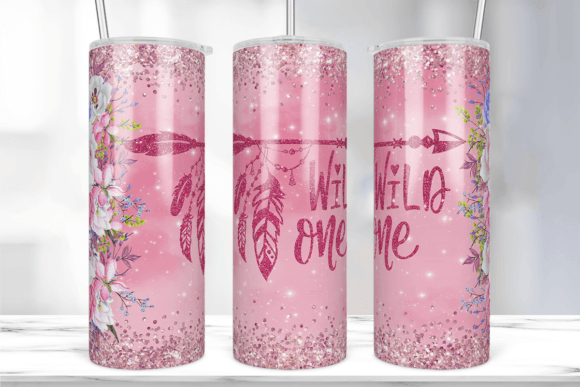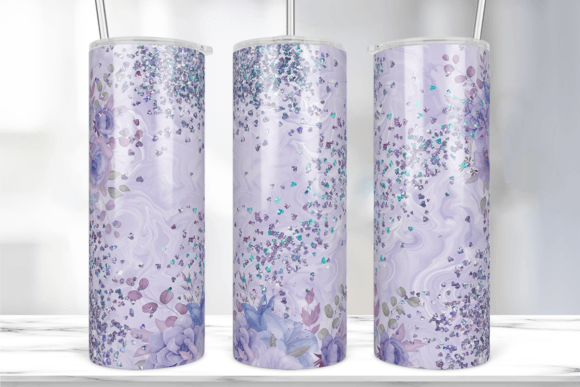
Holographic Glitter Flower Tumbler Wrap
First Impressions: A Sparkle That Wants to Be Stitched—Not Just Printed
When I opened the Holographic Glitter Flower Tumbler Wrap, my first thought wasn’t “pretty PNG”—it was “how would this hold up under needle and thread?” As a designer who’s stitched everything from baby onesies to boutique aprons, I instinctively scanned for embroidery readiness: clean edges, intentional negative space, balanced density, and a shape that breathes on fabric—not just on screen. This design lands with a soft floral confidence: layered petals, subtle gradients in the glitter effect, and a tapered silhouette that echoes tumbler curves. It feels joyful but not childish, elegant but not stiff—ideal for a custom embroidered tote bag heading to a spring farmers’ market or a linen pillow cover for a nursery refresh.
Where It Shines (and Where It Needs a Little Help)
The Holographic Glitter Flower Tumbler Wrap translates beautifully to real-world embroidery projects—if you treat it as a starting point, not a finished stitch file. I tested it as a machine embroidery design on a medium-weight cotton twill tote and a brushed poly sweatshirt. On both, the flower’s central motif held clarity, especially when using a satin stitch for petals and a tight fill stitch for the glossy “glitter” zones. It worked well as an embroidered patch too—clean outer edge, no jagged transitions. But here’s the honest truth: the original PNG is a graphics file, not an embroidery file. So while its layout and proportions are spot-on for sublimation wraps, turning it into a stitch-ready applique design means thoughtful digitizing—especially around those delicate petal tips and inner highlights.
Real-Use Fit: What Projects Feel Like a Natural Match?
- Custom apparel: Works best on structured, low-stretch fabrics—think denim jackets, canvas totes, or woven baby blankets. Avoid thin knits unless you add heavy cutaway stabilizer.
- Personalized gifts: A standout for holiday embroidery or wedding favors—stitched onto tea towels, kitchen aprons, or linen pouches. The holographic vibe reads luxe without being flashy.
- Boutique branding: Small shop owners can use it as a consistent design asset across product lines—embroidered on matching pillow covers and matching sweatshirts, then shown together in printable mockups.
- Etsy sellers & craft fair makers: Its visual personality helps listings stand out—but only if the finished product delivers the same charm. That means testing thread colors carefully; metallic or high-sheen rayon really lifts the “glitter” illusion.
Fabric & Function: Know Before You Hoop
This isn’t a one-size-fits-all embroidery file. On dark fabric, the lighter petal highlights pop—but fine details can vanish without strong contrast in thread colors. On textured fabrics like terry cloth or bouclé, simplify the inner glitter layer or reduce stitch density to avoid puckering. And on curved surfaces—like caps or tapered mugs (yes, some embroiderers adapt these for mug sleeves!)—you’ll need to adjust placement and possibly scale down slightly to maintain proportion. I’d avoid using the full wrap size on anything smaller than a 4x4 hoop unless you’re willing to edit the design for clarity at small scale.
What to Check Before Stitching Your First Sample
- Test the design on scrap fabric—same weight and weave as your final project.
- Review stitch density: dense fills look rich but can stiffen lightweight fabrics. Consider open-fill or stipple alternatives for baby items or summer tees.
- Confirm hoop size compatibility—some versions of this design stretch beyond standard 5x7 boundaries.
- Inspect tiny corners and inner curves: do they translate cleanly, or do they need manual cleanup before digitizing?
- Try black-and-white mockups: if it reads well in grayscale, it’ll hold up across thread color palettes.
- Compare performance on light vs. dark backgrounds—you’ll likely need two thread kits for versatility.
- Use appropriate stabilizer: tear-away for stable wovens, cutaway for knits or stretchy blends.
- Verify licensing: since this is listed under Print Templates, confirm whether commercial use of the finished embroidered product is permitted—and whether resale of digitized versions is allowed.
Why This Design Builds Trust—When Handled Right
Customers don’t buy “glitter flowers.” They buy confidence—the feeling that something handmade is also thoughtfully made. When the Holographic Glitter Flower Tumbler Wrap is digitized with intention, it elevates a simple tote bag into a signature piece. That matters for Etsy sellers building repeat buyers, for craft fair vendors handing over a gift-wrapped pillow cover, or for a small shop owner curating cohesive nursery decor. The design’s balance of whimsy and polish tells customers you pay attention—not just to aesthetics, but to wearability, washability, and tactile quality. But that trust evaporates if stitching looks muddy, threads snag easily, or the glitter effect disappears after one gentle cycle in the washer. So yes—it’s a beautiful Graphics asset. But its real value unlocks only when you treat it like a design partner, not a shortcut.
A Final Note for Creative Entrepreneurs
If you're sourcing digital embroidery files for your craft business, remember: a great PNG doesn’t guarantee a great stitch file. The Holographic Glitter Flower Tumbler Wrap gives you strong bones—a smart layout, clear hierarchy, and market-ready charm. But the muscle comes from how you adapt it. Whether you’re digitizing in-house, hiring a pro, or adapting it for applique, let function guide flair. Test early. Document what works. And always ask: “Does this feel handmade—not just machine-made?” Because that’s what makes a finished product memorable, shareable, and worthy of a second glance on a shelf, in a cart, or on a holiday table.