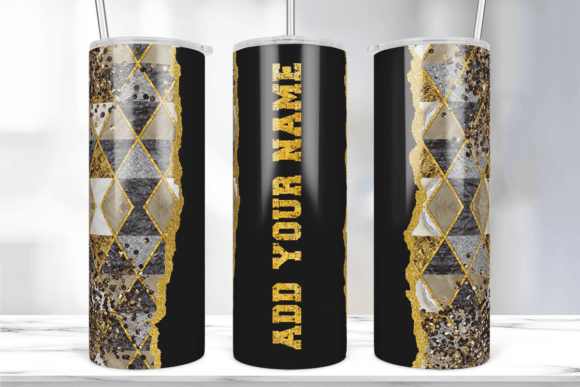
Bronze Glitter 20 Oz Tumbler Wrap
First Impressions: A Math Teacher Design That Shines—But Not Like You’d Stitch It
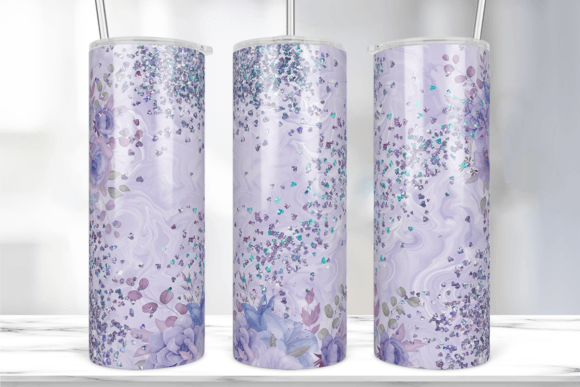
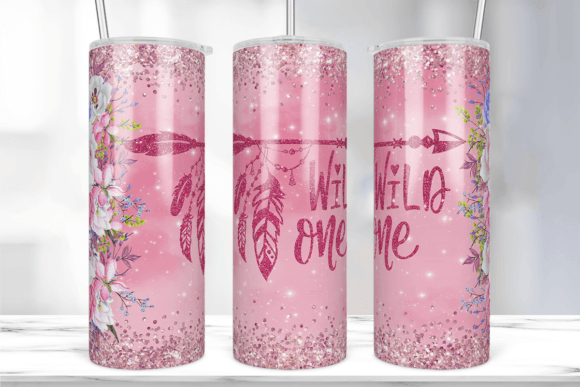
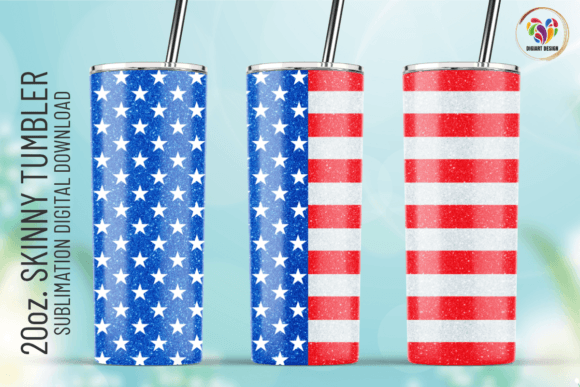
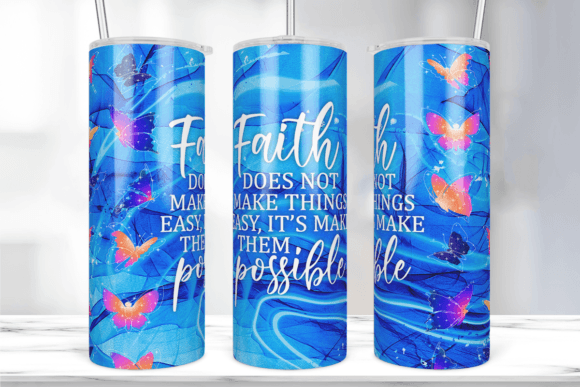
Let’s be clear: Bronze Glitter 20 Oz Tumbler Wrap isn’t an embroidery file—it’s a sublimation wrap design. As a designer who’s stitched hundreds of math-themed projects for teachers, schools, and Etsy shops, my first glance told me this was built for heat transfer, not needle and thread. The clean tapered shape fits snugly around a skinny tumbler, the “Trigonometry” lettering has bold, smooth curves, and that bronze glitter effect? Pure visual pop on coated aluminum—but zero stitch definition. It’s sharp, confident, and classroom-cool—but it doesn’t translate directly to machine embroidery without thoughtful adaptation.
Where This Design Belongs—And Where It Doesn’t
I recently used a modified version of this concept (redrawn as a vector-based embroidery layout) on a custom embroidered tote bag for a high school math department. The original Bronze Glitter 20 Oz Tumbler Wrap inspired the layout—but I simplified the text, replaced the glitter gradient with satin-stitched bronze thread, and tightened kerning so letters wouldn’t vanish in fill stitch. That’s the key: this design is strongest as design inspiration, not a drop-in embroidery file. It works beautifully as a print template for tumblers, mugs, or vinyl decals—but for embroidery projects, treat it like a mood board, not a stitch map.
Real-World Embroidery Fit: What Holds Up, What Falters
On sweatshirts and tote bags? The theme lands well—teachers love subtle, clever nods to their subject. But the original layout’s narrow vertical proportion doesn’t scale down gracefully for baby onesies or cap fronts. Tiny “sin/cos/tan” glyphs or fine grid lines? They’ll blur into noise under dense fill stitch. And that tapered shape? Lovely on a tumbler—but on a curved cap or pillow cover, it distorts unless you rework the aspect ratio.
For holiday embroidery or personalized gifts, lean into the concept, not the file: swap the glitter texture for metallic thread accents, simplify the tumbler silhouette into an outline, and use running stitch for clean, readable math symbols. That approach keeps the spirit alive while honoring embroidery’s physical limits.
Watch These Details Closely
- Small hoop sizes: The full wrap won’t fit a 4×4 hoop. Repurpose elements instead—like stitching just the “π” or compass icon as a standalone embroidered patch.
- Textured or stretchy fabric: Dense satin-stitched letters from this design would pucker on knits or terrycloth. Opt for open-outline versions with minimal underlay.
- Dark fabric backgrounds: The bronze tone relies on contrast. On navy or charcoal, test thread colors first—gold or antique brass thread reads warmer and clearer than literal bronze.
- Frequent washing: Sublimation holds up; embroidery doesn’t. If stitching for a teacher’s daily-use apron or kitchen towel, reinforce backings and avoid ultra-fine details that fray over time.
What This Means for Your Craft Business
If you’re an Etsy seller or small shop owner offering custom math-themed merchandise, Bronze Glitter 20 Oz Tumbler Wrap is a smart graphics asset—for printable mockups, digital previews, or sublimated product listings. It builds instant recognition and tells customers, “Yes, this is for *that* kind of teacher.” But don’t list it as an embroidery file unless you’ve converted it properly. Customers expect stitch-ready files—and delivering a PNG sublimation wrap as an “embroidery design” erodes trust fast.
Instead, pair it with your own digitized version. Use the tumbler wrap as the hero image in your listing, then offer the embroidery file separately—clearly labeled, tested, and sized for common hoops. That combo gives buyers choice, shows expertise, and positions you as someone who understands both print and stitch.
Practical Designer Notes Before You Stitch
- Test the design—or your adapted version—on scrap fabric matching your final product’s weight and stretch.
- Check thread color contrast on both light and dark fabric swatches before committing to a full run.
- Review stitch density: high-density fills work on stable fabrics like twill, but can stiffen baby embroidery or lightweight tea towels.
- Confirm hoop size compatibility—especially if offering layered designs (e.g., tumbler + name + year).
- Inspect small details at 200% zoom: will “θ” or tiny degree symbols hold up after stitching?
- Try a black-and-white mockup: if the design loses its personality without color, it may need stronger outlines or bolder spacing.
- Use appropriate stabilizer—cutaway for knits, tear-away for stable cottons—to keep math symbols crisp.
- Verify licensing: since this is a digital embroidery file derivative, ensure your adaptation complies with the original terms for commercial use.
Final Thought: Design With Intent, Not Just Aesthetics
The Bronze Glitter 20 Oz Tumbler Wrap succeeds because it’s focused, on-brand, and instantly legible at a glance. That same clarity should guide your embroidery adaptations. Don’t force a sublimation layout into stitch count—it dilutes impact. Instead, extract what works: the confidence, the theme, the warmth—and rebuild it for thread, fabric, and function. Whether you’re making a boutique-branded apron, a personalized graduation gift, or a craft fair tote bag, let the math speak clearly, the glitter translate thoughtfully, and the craftsmanship show through every stitch.