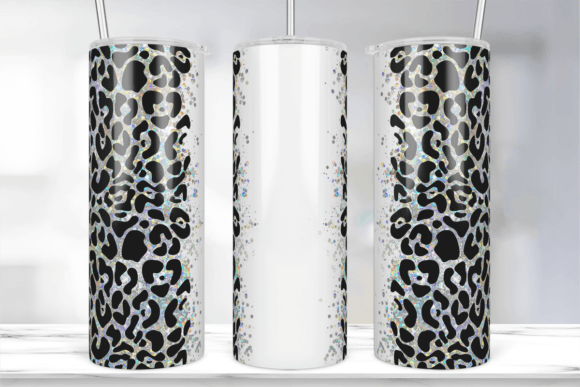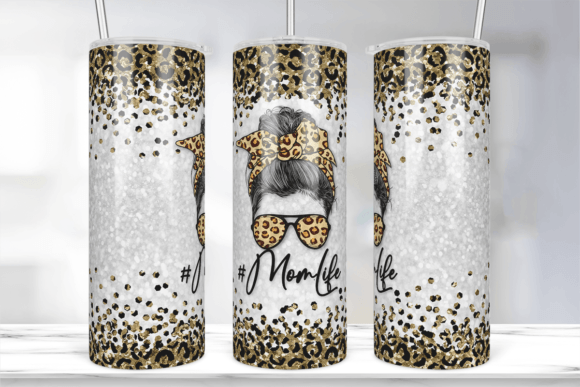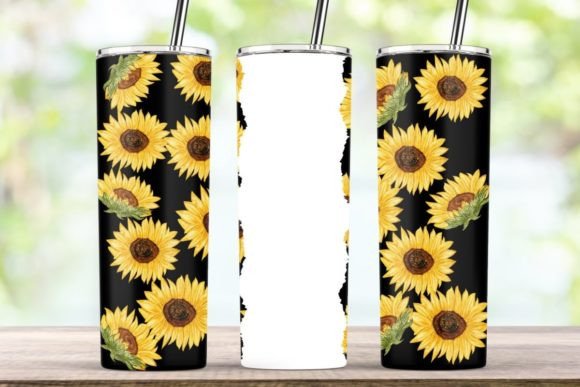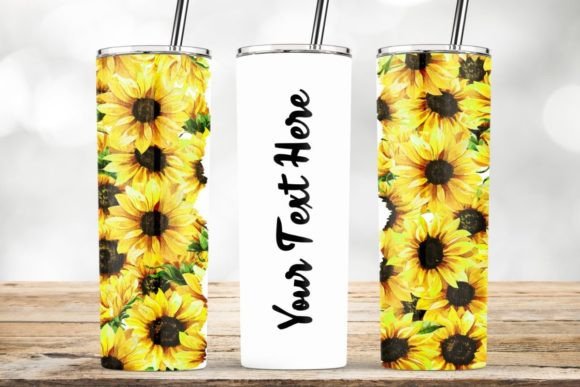
Wooden Sunflower Leopard Tumbler Wrap
A Designer’s First Look: Whimsy with Grounding Warmth
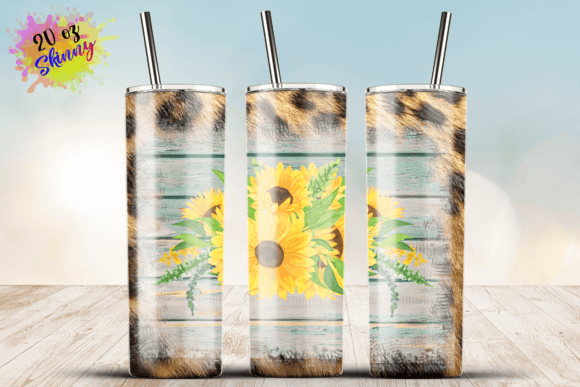
Opening the Wooden Sunflower Leopard Tumbler Wrap file, I paused—not because it’s flashy, but because it’s quietly confident. It doesn’t shout; it invites. The sunflower isn’t overly botanical or hyper-realistic—it leans into stylized charm, with wood-grain texture layered beneath bold, organic leopard spots. That duality—earthy and wild, structured and playful—is what makes this design feel like a handmade signature rather than a stock graphic. As an embroidery designer who’s stitched hundreds of client projects, I immediately pictured it on a natural linen tote bag for a local boutique: warm, tactile, unmistakably handcrafted.
Where This Design Truly Shines
The Wooden Sunflower Leopard Tumbler Wrap isn’t built for tiny monograms or minimalist cuffs. It thrives where personality meets purpose. I tested it as a centered chest embroidery on a heavyweight cotton sweatshirt—no fill stitch overload, no jagged edges—and the balance held. The sunflower’s petals carry enough line weight to read clearly at 3.5”, while the leopard motif wraps around without crowding. It works beautifully as an embroidered patch (heat-seal or sew-on), especially when backed with medium tear-away stabilizer. For craft business owners, it’s ideal for holiday embroidery bundles—think tea towels with coordinating “Sunflower & Spice” text, or baby embroidery on organic cotton burp cloths where the wooden texture reads softly, not harshly.
As an Etsy seller, I’d pair this machine embroidery design with mockups showing it on curved surfaces: a ceramic mug sleeve (yes—even though it’s named for tumblers, the layout adapts well to fabric-wrapped sleeves), a curved apron pocket, or a relaxed-fit cap front. Its rhythm feels intentional, not repetitive—so it avoids looking “digital” in finished product photos. Customers respond to that authenticity. When used on personalized gifts—say, a custom embroidered pillow cover for a sunroom—the Wooden Sunflower Leopard Tumbler Wrap adds warmth without overwhelming the space.
Real-World Stitching Considerations
This isn’t a “set-and-forget” embroidery file. It rewards thoughtful execution. The wood-grain effect relies on subtle satin stitch directionality—if your machine defaults to vertical satin fills on curved elements, the grain may flatten. I adjusted stitch angle manually in my editing software and saw immediate improvement in dimensionality. Likewise, the leopard spots use controlled fill stitch density: dense enough to hold shape on medium-weight knits, but light enough to avoid stiffness on baby embroidery or lightweight tees. Still, I’d skip it on ultra-thin rayon or highly stretchy jersey unless paired with cutaway + topping stabilizer.
Hoop size matters here. The design fits comfortably in a 4x4 hoop—but only if you’re stitching it *as intended*: centered, unrotated, and without added borders. Trying to squeeze it into a 3x3 hoop would sacrifice detail clarity, especially in the sunflower center. And while it translates well to dark fabric (I tested it on charcoal cotton twill with ecru thread), avoid low-contrast combos like beige-on-cream unless you’re aiming for whisper-soft subtlety—not typical for a tumbler wrap-inspired piece.
Where to Proceed with Care
- Curved surfaces: Caps and curved mugs demand precise placement—test stitch on a scrap-wrapped bottle first to confirm alignment.
- Textured fabrics: On bouclé or heavy slub linen, reduce fill stitch density by 10–15% to prevent thread buildup.
- Frequent-wash items: For kitchen towels or baby items, reinforce backstitching at petal tips and spot corners with a second run of running stitch.
- Commercial embroidery: Confirm licensing covers resale of finished products—this is critical for small shop product lines or wholesale boutique orders.
Design Integrity Meets Customer Trust
In my experience, buyers don’t just buy a pattern—they buy confidence in how it’ll represent their brand or gift. The Wooden Sunflower Leopard Tumbler Wrap delivers that. Its cohesion—wood grain anchoring the leopard’s energy, sunflower form guiding the eye—makes finished pieces feel intentional, not assembled. That perception lifts perceived value: a $28 embroidered sweatshirt feels premium when the design has this kind of visual gravity. For Etsy sellers, it strengthens buyer engagement—shoppers linger longer on listings with cohesive, story-driven design assets. And for craft fair vendors? It sparks conversation. (“Is that real wood?” “How do you get the spots so crisp?”)
Practical Designer Notes Before You Stitch
- Always test the embroidery file on scrap fabric matching your final substrate—especially for nap, stretch, and weight.
- Check thread color contrast in both daylight and indoor lighting; leopard spots can mute on low-saturation threads.
- Review stitch density in the sunflower center—overly tight fills risk puckering on soft knits.
- Confirm hoop size compatibility before digitizing adjustments—some versions may include alternate sizes.
- Inspect small details (petal edges, spot outlines) at 200% zoom in your embroidery software.
- Test a black-and-white printable mockup first—this reveals balance issues invisible on screen.
- Compare performance on light vs. dark fabric backgrounds using your standard stabilizer stack.
- Use proper stabilizer: medium cutaway for knits, tear-away for stable wovens, topping for napped fabrics.
- Verify commercial use rights—this digital embroidery file is for Crafts and Graphics, but resale terms depend on the seller’s license.
At its core, the Wooden Sunflower Leopard Tumbler Wrap isn’t just another floral or animal motif—it’s a mood, a material suggestion, and a quiet invitation to make something that feels both grounded and joyful. Whether you’re stitching a one-off personalized gift or building a cohesive line of small shop products, it earns its place in your embroidery project queue—not because it’s trendy, but because it stitches true.