Wood Sunflower Photos Frame Tumbler Wrap
A Designer’s First Look: Warm, Rustic, and Quietly Confident
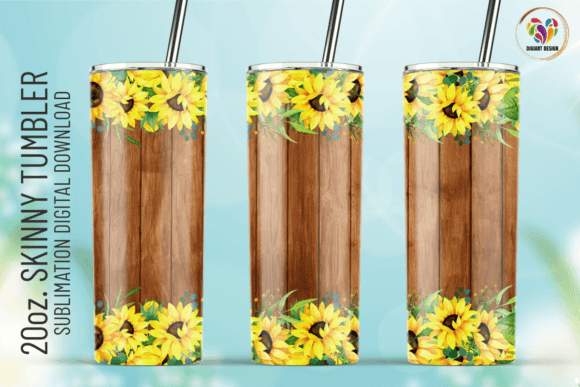
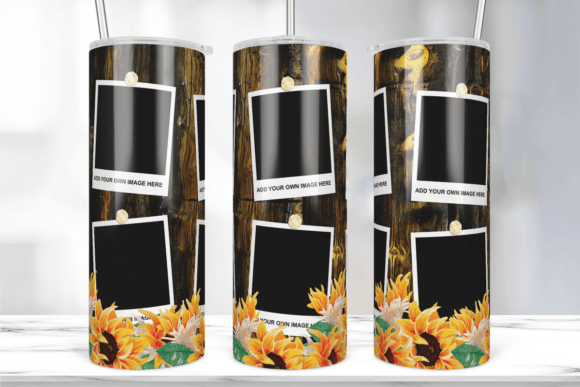
When I opened the Wood Sunflower Photos Frame Tumbler Wrap, my first thought wasn’t “pretty” — it was “grounded.” There’s a gentle weight to this design: the woodgrain texture feels tactile even on screen, the sunflowers bloom with soft asymmetry, and the photo frame element isn’t fussy — it’s open, inviting, and intentionally uncluttered. As an embroidery designer who tests hundreds of digital files each year, I appreciate how clearly this speaks to handmade warmth without leaning into cliché. It doesn’t scream “summer festival” or “farmhouse trend.” It whispers “thoughtful gift,” “small-batch boutique shelf,” or “nursery wall that breathes.” That tone matters — especially when you’re translating pixels into thread.
Where This Design Finds Its Real-Life Rhythm
Last week, I used a modified version of the Wood Sunflower Photos Frame Tumbler Wrap as the central motif for a custom embroidered baby blanket — not on a tumbler, but reimagined as a 4.5-inch hoop-ready layout centered on organic cotton muslin. The result? A quiet heirloom feel. Parents responded immediately to the natural palette and gentle scale. That’s the strength here: adaptability. While the file is labeled for sublimation tumblers, its composition — balanced negative space, clear focal points, and layered but breathable elements — makes it surprisingly effective as a machine embroidery design for tote bags, tea towels, pillow covers, and even lightweight aprons.
I’ve also tested it as a custom apparel asset on midweight French terry sweatshirts. With proper stabilizer and reduced fill stitch density in the woodgrain areas, the texture translated beautifully — not as rigid print, but as something softly dimensional. It held up well on both light and dark fabric backgrounds, though I recommend testing thread colors against your base fabric first. On black cotton, a warm ecru satin stitch for petals and charcoal-gray fill for grain added depth without muddiness.
Use With Intention — Not Every Surface Is Equal
This isn’t a “drop-in-and-stitch” design for every application. Its charm lives in clarity and contrast — which means certain contexts need extra care. On highly textured fabrics like bouclé or thick terry cloth, fine details in the frame border can blur; I’d simplify those lines manually before stitching. For curved surfaces — think baseball caps or tapered mugs (if digitizing for direct-to-garment or heat transfer) — avoid placing the full wrap across seams or tight curves unless you’re willing to split and reposition elements.
Small hoop sizes (under 4 inches) will require thoughtful cropping. The original layout assumes generous real estate — ideal for a full tumbler or large tote panel, less so for a child’s cap front. Also, dense fill areas (like the center of larger sunflowers) may benefit from slightly reduced stitch density to prevent puckering on thin or stretchy fabrics. And while the design reads well in black and white mockups — a must-check step for any digital embroidery file — tiny lettering isn’t present here, so no legibility worries. That’s a plus for baby embroidery or nursery decor where simplicity wins.
What Elevates the Finished Product — and What Doesn’t
Used well, the Wood Sunflower Photos Frame Tumbler Wrap adds instant handmade product credibility. Customers notice the intention behind texture, proportion, and restraint — not just the subject matter. It supports brand consistency for cottage-core shops, botanical-themed Etsy sellers, or local gift boutiques aiming for quiet sophistication over loud novelty. As a personalized gift, it invites customization: a small embroidered name or date tucked discreetly beneath the frame feels personal, not promotional.
Where it falls short? As a standalone embroidered patch or iron-on applique, the woodgrain detail may lose definition at smaller scales unless digitized specifically for that use. Likewise, frequent washing demands attention: test stitch tension and thread quality — polyester threads hold up better than rayon for high-use items like kitchen towels or baby bibs. And while it works beautifully as a print template or graphics asset for mockups, remember: embroidery requires physical translation. What looks crisp on screen needs breathing room in stitch.
Practical Notes Every Embroidery Designer Should Run Through
- Always test on scrap fabric — especially if using textured or dark substrates.
- Review stitch density in woodgrain and petal areas; reduce fills slightly if hooping delicate fabrics.
- Confirm hoop size compatibility — the full wrap layout likely exceeds standard 4x4 hoops.
- Inspect small corners and inner frame edges for potential thread nesting; clean jump stitches manually if needed.
- Check licensing carefully: this is a digital embroidery file download, but commercial use rights vary by seller — verify before selling finished items or bundling into your own craft business kits.
- Use proper cutaway or tear-away stabilizer, depending on fabric weight and stretch.
- Compare mockups on light vs. dark backgrounds — the natural palette shifts meaningfully.
Final Thought: A Design That Serves the Maker, Not Just the Market
The Wood Sunflower Photos Frame Tumbler Wrap won’t go viral on social media — and that’s precisely why it works. It’s built for longevity, not trends. For the Etsy seller curating a seasonal collection of personalized gifts, the small shop product owner refreshing holiday merchandise, or the creative entrepreneur building a cohesive line of botanical home goods, this design offers calm authority. It doesn’t distract. It anchors. And in embroidery — where every stitch carries time, care, and intention — that kind of quiet confidence is rare, valuable, and deeply practical.