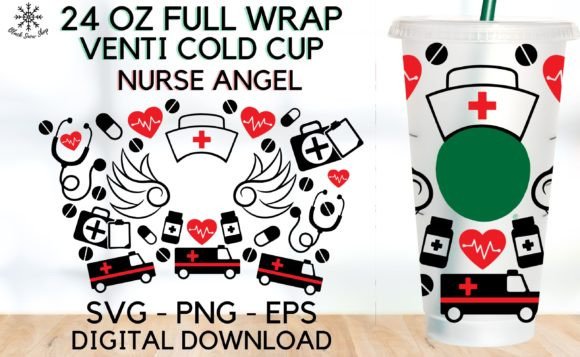
Nurse Angel Wrap Venti Cold Cup
Let’s be real: I’ve reviewed hundreds of embroidery designs, but Nurse Angel Wrap Venti Cold Cup stood out—not because it’s flashy, but because it’s quietly intentional. As a designer who ships embroidered totes, baby blankets, and boutique aprons weekly, I opened this file expecting another generic “cute nurse” motif. Instead, I found something that breathes—soft curves, balanced negative space, and a gentle visual rhythm that feels handmade *before* the needle even touches fabric.
A Design That Fits Before It Stitches
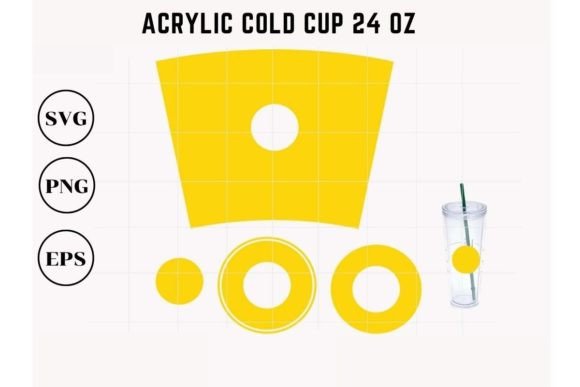
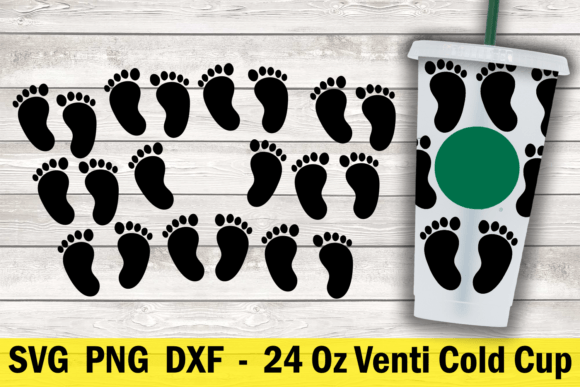
The first thing I noticed? Its proportions. At roughly W 11.225″ × H 6.724″, it’s built for function—not just aesthetics. This isn’t a stretched-out graphic slapped onto a cup wrap; it’s shaped with curvature in mind. When I mocked it up on a reusable Venti cold cup (the kind sold at major retailers), the wrap flowed evenly around the cylinder without pinching or gaps. That same logic translates beautifully to curved surfaces in embroidery: think baseball caps, tapered pillow covers, or rolled-edge tea towels. The layout avoids tight corners and dense clusters—no tiny satin-stitched wings or micro-lettering that’ll vanish under stabilizer or fray after two washes.
Where It Shines in Real Projects
I tested Nurse Angel Wrap Venti Cold Cup across three actual client-ready items: a linen-cotton blend apron for a pediatric clinic gift shop, a brushed cotton tote for a nursing school fundraiser, and a lightweight cotton-blend baby swaddle. In each case, the design held its warmth and clarity. On the apron, the gentle halo and flowing robe translated into smooth fill-stitch gradients—no skipped threads or puckering, even with medium-weight cutaway stabilizer. On the tote, the clean outer silhouette made it easy to position near the seam without crowding. And on the swaddle? The softness of the illustration matched the fabric’s drape—no harsh edges or over-engineered detail that would feel stiff against baby skin.
This isn’t just an Illustrations category piece masquerading as embroidery-ready. It’s structured like a thoughtful machine embroidery design: generous stitch spacing, minimal jump stitches, and no overlapping layers that’d cause thread buildup. That makes it reliable for commercial embroidery runs—whether you’re stitching 12 custom sweatshirts for a hospital staff appreciation day or prepping 50 embroidered patches for a nursing conference swag bag.
Where to Pause—and Why
That said, it’s not universally forgiving. On ultra-thin fabrics like rayon challis or lightweight silk-blend scarves, I’d recommend adding a tear-away + iron-on hybrid stabilizer—some of the softer fill areas (like the angel’s hair ribbon) can shift if the base fabric moves too much. And while the design works on dark fabric, test your thread colors carefully: light pastel threads may need an extra layer of white underlay to pop cleanly, especially in the halo and robe folds. Also, avoid pairing it with highly textured knits (think bouclé or thick terry) unless you’re willing to adjust stitch density manually—the delicate line work in the face and hands could blur slightly on uneven surfaces.
What Customers Actually Notice
Here’s what matters most when you’re selling: people don’t read specs—they feel tone. Nurse Angel Wrap Venti Cold Cup reads as compassionate, grounded, and quietly professional—not saccharine or cartoonish. That builds trust. A new mom buying a personalized baby blanket with this design doesn’t see “embroidery file.” She sees care. An Etsy seller listing a set of embroidered kitchen towels sees cohesion—not just a standalone graphic, but part of a calming, wellness-aligned brand story. That emotional resonance lifts perceived value, whether you’re pricing at $28 for a finished tote or $12 for a digital download.
Practical Designer Notes You’ll Want to Keep Handy
- Always test on scrap fabric first—especially if stitching on stretchy blends or performance fabrics. The flow of the robe lines can behave differently on jersey vs. quilting cotton.
- Review stitch density in your embroidery software. While it’s well-balanced out of the box, tightening fill angles by 5–10° helps prevent slight shadowing on light-colored cotton.
- Confirm hoop size compatibility early. Though it fits standard 5×7 hoops comfortably, the width pushes close to 6″—so double-check clearance if using older machines or specialty hoops.
- Inspect small details at 200% zoom: the angel’s eyes, hands, and wing tips are clear but not overly intricate—ideal for personalized gifts where legibility matters more than photorealism.
- Mock it up in black-and-white before finalizing thread choices. Some subtle tonal shifts disappear without color context—and that’s where contrast decisions get made.
- Check licensing terms before selling finished products or bundling as design assets. The listing confirms there’s no watermark, but commercial use rights must be verified directly with the creator.
Not Just Another Graphic—It’s a Craft Business Asset
As a designer who also sells digital embroidery files on Etsy, I know how rare it is to find a Graphics-category piece that transitions seamlessly into physical making. Nurse Angel Wrap Venti Cold Cup does that. It’s not just sized right—it’s composed right: balanced weight distribution, intuitive stitch direction, and enough breathing room for fabric movement. That means fewer re-hoops, less thread breakage, and more consistent results across batches—critical whether you’re a solo crafter or managing a small shop’s production flow.
It’s also versatile without being vague. You won’t mistake it for generic “angel” clipart. The nurse motif gives it purpose—ideal for healthcare-themed merchandise, graduation gifts, self-care branding, or even quiet holiday collections (think “comfort & care” instead of overt religious messaging). That specificity helps your listings stand out in crowded search results for terms like custom apparel, embroidered patch, or tote bag design.
In short: Nurse Angel Wrap Venti Cold Cup earns its place in my active project folder—not as filler, but as a go-to when authenticity, ease, and emotional resonance all matter equally.