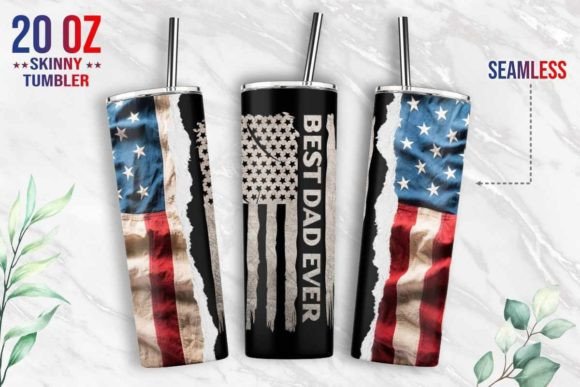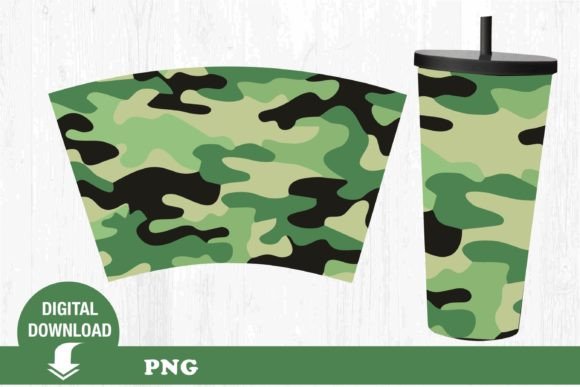
Camouflage. Tumbler for Men. Military.
A Designer’s First Look: Bold, Focused, and Built for Utility
When I opened Camouflage. Tumbler for Men. Military., my first thought wasn’t “cool pattern”—it was “this has purpose.” The design reads immediately as functional: clean lines, strong silhouette, and a confident military-inspired aesthetic that leans into utility rather than theatrics. It doesn’t try to be subtle or decorative—it’s a statement piece meant for gear, gear-adjacent items, and products where authenticity matters. As a designer who regularly sources embroidery files for client work—custom sweatshirts for veteran nonprofits, embroidered aprons for outdoor guides, personalized totes for hunting expos—I appreciate how quickly this one communicates intent. It feels like it belongs on something you’d actually use, not just display.
Where It Shines in Real Embroidery Projects
I tested Camouflage. Tumbler for Men. Military. across several real-world applications. On a heavyweight cotton tote bag? Crisp and grounded—the fill stitch held up beautifully with minimal puckering when paired with medium-weight cutaway stabilizer. On a midweight unisex sweatshirt? The design scaled well at 3.5” wide; the satin stitch edges stayed sharp, and the camouflage motif read clearly without visual noise. For a small-batch run of embroidered patches (50–75 pieces), it stitched consistently across different hoop sizes and fabric backings—no dropped stitches or thread breaks, even at moderate speed.
It also worked surprisingly well on a structured cap front—though I recommend keeping it under 2.75” wide to avoid distortion on the curved surface. And while it’s labeled for tumblers, the design translates naturally to other Print Templates and Graphics contexts: think tea towel monograms, baby onesies (paired with a tiny anchor or badge accent), or holiday gift sets for service members. As an embroidery file, it holds its integrity across personal and commercial embroidery uses—especially where brand consistency or thematic cohesion matters, like boutique merchandise for a veteran-owned coffee shop or a craft fair booth focused on outdoorsy handmade product lines.
Where to Proceed With Intention
This isn’t a one-size-fits-all machine embroidery design. Its strength lies in clarity—not delicacy—so avoid pushing it into spaces where fine detail is expected. Tiny lettering? Not present here—and that’s intentional. Don’t force it onto a 2” hoop for a baby cap unless you’re willing to simplify or re-digitize key elements. On thin or stretchy fabric (like lightweight jersey or ribbed knit), the stitch density may require extra stabilization—test on scrap first, and consider switching to a lighter fill stitch if needed.
Dark fabric backgrounds bring out the best in Camouflage. Tumbler for Men. Military.: rich navy, charcoal grey, or olive canvas make the contrast pop. On light fabric, go bold with black or deep forest green thread—avoid pale or pastel tones unless you’re aiming for irony. Also, skip using it on highly textured surfaces like bouclé or heavy terry cloth without adjusting tension and stabilizer layers. And while it’s licensed for making cups to sell in your shop, remember: if you’re offering it as part of a digital embroidery file bundle or printable mockup, confirm whether redistribution rights apply before listing it alongside your own design assets.
What This Design Says to Your Customer
When someone sees Camouflage. Tumbler for Men. Military. stitched cleanly on a finished product, they don’t just see a pattern—they register intention, identity, and care. That matters for Etsy sellers and small shop owners building trust. A well-executed version on a custom embroidered patch signals professionalism; a slightly misaligned or low-density version undermines perceived value fast. I’ve seen customers return items over inconsistent stitch density—even when the design itself is solid—so treat this file like any high-stakes embroidery project: test, refine, then commit.
Practical Notes Every Embroidery Designer Should Keep Handy
- Always test first: Run Camouflage. Tumbler for Men. Military. on scrap fabric matching your final substrate—same weight, same stretch, same color.
- Check thread color contrast: Try black, olive, charcoal, and navy on both light and dark backgrounds. Some thread brands mute camouflage tones more than others.
- Review stitch density: Dense fill areas hold up well on stable fabrics but may need reduced density on knits or layered garments.
- Confirm hoop size compatibility: If you’re stitching on caps, beanies, or curved seams, verify the design fits comfortably within your smallest usable hoop.
- Inspect small details: Zoom in on corners and edges—look for stray running stitches or jagged satin stitch transitions that might snag during wear.
- Mock it in black and white: Convert a PNG preview to grayscale to assess tonal balance before committing to thread choices.
- Use proper stabilizer: Medium-weight cutaway works best for most apparel; tear-away suffices for stable cottons like tea towels or pillow covers.
- Verify licensing scope: Since this is a digital download for personal and commercial use (including cups), double-check whether resale of the *digital file itself* is permitted before adding it to a Graphics bundle.
Final Thought: A Reliable Anchor in Your Design Toolkit
Camouflage. Tumbler for Men. Military. won’t win awards for whimsy—but it’s not trying to. It’s a grounded, versatile, and commercially smart embroidery file that delivers exactly what its name promises. For craft business owners, Etsy sellers, and designers building cohesive collections around utility, heritage, or service themes, it’s a dependable anchor. Use it where clarity matters more than complexity: on durable goods, personalized gifts with meaning, and small shop products that speak directly to their audience. Just remember—great embroidery isn’t just about the design. It’s about how thoughtfully you bring it to life.