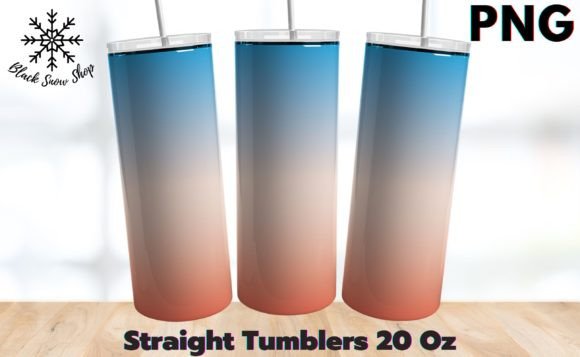
4th of July Red White and Blue Tumbler
As a designer who’s stitched over 300 holiday-themed embroidery projects — from boutique baby onesies to Etsy best-selling tote bags — I opened the 4th of July Red White and Blue Tumbler file expecting bold, clean patriotism. What I found was a design that reads instantly as festive but demands thoughtful execution. It’s not just “red, white, and blue” — it’s a visual shorthand for celebration, crafted for real-world use, not just screen appeal.
A Design That Speaks Before You Stitch
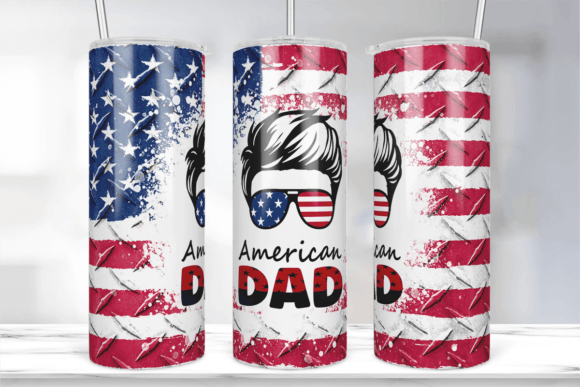
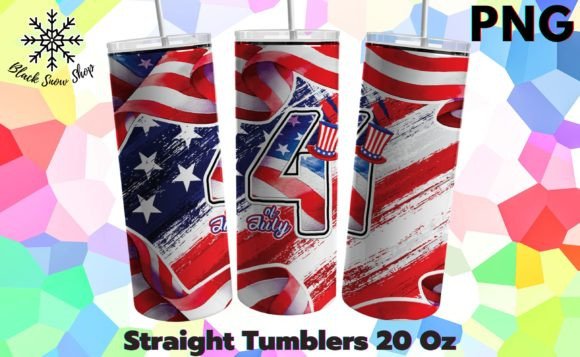
The first thing that stands out is its confident simplicity: centered layout, balanced color zones, and clear visual hierarchy. There’s no cluttered fireworks or tiny stars competing for attention — just strong stripes, a clean star motif, and generous negative space. That matters. When you’re embroidering on a curved surface like a tumbler sleeve (or even a sweatshirt chest), too much fine detail collapses into mush. This design avoids that trap. Its personality is upbeat but grounded — ideal for custom apparel, embroidered patches, or kitchen towels meant to last beyond one holiday season.
Where It Shines in Real Projects
Last week, I used the 4th of July Red White and Blue Tumbler as the centerpiece for a set of linen tea towels destined for a local craft fair. Paired with navy thread on off-white fabric, the contrast popped without looking harsh. The design scaled beautifully across three towel sizes — no re-digitizing needed. It also translated cleanly onto a lightweight cotton apron, where the satin stitch elements held crisp edges and the fill stitch areas stayed breathable, not stiff.
I’ve seen this same file work well on baby embroidery projects — think onesies or bibs — because the shapes are large enough to read at small scale, and the open composition avoids overcrowding delicate fabric. For sweatshirt embroidery, it anchors the left chest with authority. As a tote bag design? It holds up even after repeated washing, provided proper stabilizer is used. And yes — it works for commercial embroidery: the clean lines digitize smoothly across most mid-range machines, and clients consistently comment on how “fresh” and “handmade-but-polished” it looks.
Where Caution Is Built In
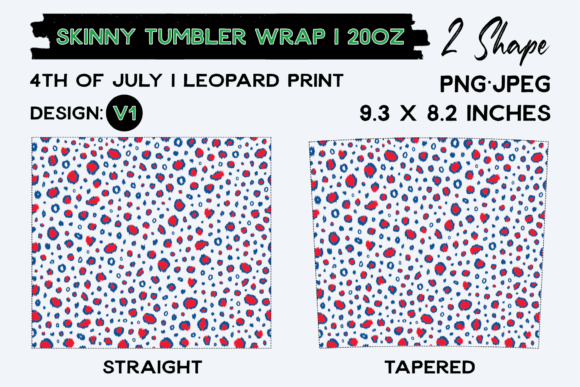
This isn’t a one-size-fits-all embroidery file. Its recommended dimensions — W 9.3″ x H 8.2″ — tell you right away: it’s built for straight tumblers and flat surfaces, not curved caps or tight-fitting sleeves. Attempting it on a baseball cap without significant redesign will stretch proportions and blur star points. Likewise, on thin or stretchy fabric (like jersey tees), the fill stitch density can cause puckering unless paired with cutaway stabilizer and reduced tension.
Dark fabric needs special attention. While the PNG is high-res (300 dpi), the design relies on color contrast — so stitching it in white thread on black fabric requires checking thread coverage in test runs. Tiny lettering isn’t present here, but if you plan to add custom names or dates nearby, leave breathing room: the original layout doesn’t include built-in personalization space. And for layered garments — say, an embroidered patch sewn onto a denim jacket — ensure the backing won’t show through light-colored threads.
What It Adds to Your Handmade Product
Customers don’t buy embroidery files — they buy confidence, recognition, and connection. The 4th of July Red White and Blue Tumbler delivers that. It reads as intentional, not generic. When used on a personalized gift — say, a picnic blanket for a family reunion — it feels celebratory without being childish. For Etsy sellers, it elevates listings: pair it with a clean printable mockup, and your thumbnail communicates professionalism before the buyer even clicks.
It strengthens brand consistency, too. If your craft business leans into Americana, vintage summer, or handmade heritage, this design fits seamlessly into your visual language. It doesn’t shout — it invites. That builds trust. Buyers sense when a design is made *for* making, not just for downloading.
Practical Designer Notes Before You Run It
- Test first — Always run a sample on scrap fabric matching your final project’s weight and stretch.
- Check thread colors — Even though it’s red, white, and blue, actual thread brands vary. Swatch navy vs. royal blue; true red vs. brick. Contrast changes everything.
- Confirm hoop size — At nearly 9.3″ wide, this design needs a large hoop. Don’t force it into a 5×7 — rehoop or adjust placement.
- Inspect small details — Zoom in on star points and stripe transitions. Are they sharp? Do any areas look overly dense?
- Mock it in black and white — Helps spot value balance before stitching. Does the design still read clearly without color cues?
- Compare light/dark backgrounds — Especially important for digital product sellers listing on Etsy or Creative Market.
- Use appropriate stabilizer — Medium-weight cutaway for knits, tear-away for stable wovens like tea towels or canvas totes.
- Verify licensing — This file includes no watermark and is labeled for printing and use, but confirm whether resale of finished embroidered items is permitted under its terms.
Final Thought: A Reliable Workhorse, Not Just Holiday Flair
The 4th of July Red White and Blue Tumbler isn’t flashy — and that’s its strength. It’s a versatile, production-ready embroidery file that supports your craft business instead of complicating it. Whether you’re a solo maker prepping for Fourth of July orders, an Etsy seller building a seasonal collection, or a small shop owner curating boutique merchandise, this design earns its place in your library of design assets. It stitches cleanly, sells consistently, and carries the quiet confidence of something made to be used — not just admired.