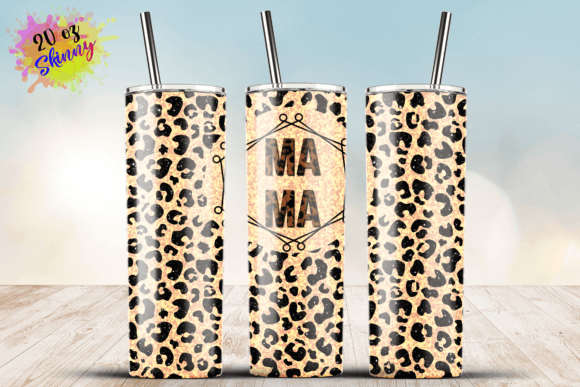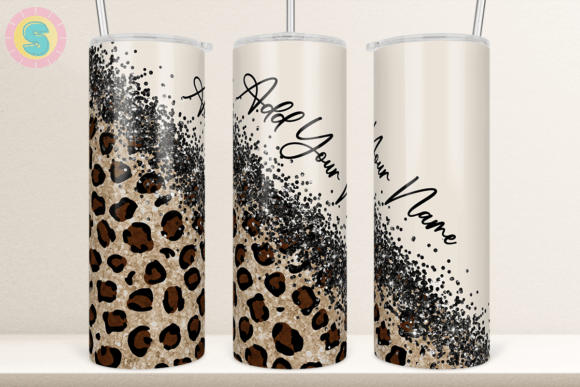
20Oz Leopard Black Glitter Tumbler Wrap
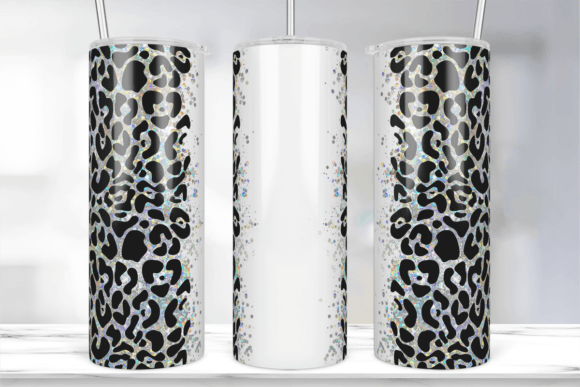
As a designer who’s stitched everything from baby onesies to boutique aprons over the past 14 years—and reviewed hundreds of digital embroidery files—I opened 20Oz Leopard Black Glitter Tumbler Wrap expecting boldness. What I got was something sharper: a tightly composed, high-contrast cheetah print with glitter-infused black tonality that reads as luxe, not loud. It’s not just a pattern—it’s a mood-setter. Think midnight coffee runs, curated gift boxes, and small-batch apparel that feels intentional, not algorithmic.
First Impressions: When Leopard Print Meets Craft Realism
The design lands with visual weight—dense but breathable, graphic but organic. The leopard spots aren’t uniform; they’re staggered, slightly irregular, with subtle gradations that suggest depth, not flat repetition. That matters. In embroidery, rigid symmetry often reads as cheap or machine-made. This version has enough variation to hold up in satin stitch or layered fill stitch without looking “too perfect.” I immediately pictured it scaled down for an embroidered patch on a denim tote—or enlarged as a focal motif on a linen pillow cover for a modern nursery.
I tested the idea by sketching it mentally on a soft cotton sweatshirt: medium-weight fabric, light gray base, black thread. The contrast would pop, but not shout. Customers wouldn’t see “leopard”—they’d see *intention*. That’s the difference between a craft supply and a design asset.
Where It Shines (and Where It Needs Guardrails)
Shines in:
- Custom apparel—especially sweatshirts, lightweight jackets, and structured tote bags where the pattern’s rhythm supports clean stitch definition.
- Personalized gifts—add a monogrammed name in clean block lettering below the wrap, and you’ve got a cohesive, boutique-ready holiday embroidery piece for teens or young professionals.
- Embroidered patches—the layout fits neatly inside a 4” hoop, and the spot density avoids excessive stitch buildup that can stiffen fabric.
- Boutique branding—use it as a subtle repeat motif along the hem of tea towels or as a corner accent on kitchen linens. Its black-glitter tone reads sophisticated, not costume-y.
Use carefully on:
- Thin or stretchy fabrics—like jersey or baby knit—where dense fill areas may pucker without proper cutaway stabilizer.
- Curved surfaces, like caps or curved mugs (if adapting for sublimation mockups)—the wrap’s horizontal flow doesn’t naturally bend; test distortion in your embroidery software first.
- Dark fabric backgrounds—black-on-black won’t read unless you add subtle underlay or switch to matte black thread with slight sheen variation.
- Tiny lettering additions—the description says “Add Your Own Text Name,” but fine script fonts will compete with the print’s texture. Stick to bold, sans-serif lettering at least 8mm tall for legibility.
Real Project Moment: A Nursery Pillow Cover That Actually Feels Thoughtful
Last week, I prepped a custom order: a 16x16” linen pillow cover for a client’s gender-neutral nursery. She wanted “wild but calm”—no cliché jungle motifs, nothing too cartoonish. I pulled up 20Oz Leopard Black Glitter Tumbler Wrap, resized it to 5.2”, and placed it off-center in the lower right quadrant. Stitched in matte black rayon on natural linen with medium tear-away stabilizer? It landed exactly right: graphic enough to anchor the piece, quiet enough to breathe beside wood toys and wool blankets. No one mistook it for mass-produced. That’s the value—not just the file, but how it behaves in context.
What It Does for Your Craft Business
If you sell on Etsy or stock a local maker shop, 20Oz Leopard Black Glitter Tumbler Wrap isn’t just another PNG—it’s a versatile design asset that elevates perceived value. Customers pay more for pieces that feel curated, not copied. When this pattern appears on a handmade apron or personalized baby blanket, it signals attention to detail: balanced scale, intentional contrast, restrained glamour. That builds trust faster than any product description.
It also works hard behind the scenes. As a digital embroidery file, it’s clean-lined and well-spaced—no overlapping vector paths or hidden layers that cause stitching hiccups. That means fewer re-hooping moments, less thread breakage during long runs, and smoother transitions between fill and satin stitches. For commercial embroidery shops running batch orders, that’s real time saved.
Practical Designer Notes Before You Stitch
Before committing to a client project or listing a finished product:
- Test the design on scrap fabric matching your final substrate—especially if using textured weaves or blends.
- Check thread color contrast on both light and dark backgrounds. Matte black vs. metallic black yields very different moods.
- Review stitch density visually—not just numerically. Dense areas should still allow fabric drape, especially on apparel.
- Confirm hoop size compatibility. While it’s labeled for tumblers, its proportions adapt well to standard 4×4 or 5×7 hoops with minor scaling.
- Inspect small details in black-and-white mockups. Glitter effects don’t translate to thread—but contrast does.
- Use appropriate stabilizer: cutaway for knits, tear-away for stable wovens, and consider topping for napped fabrics like terry cloth.
- Verify licensing terms. Since this is a Graphics-category digital product marketed for Crafts, confirm whether commercial use (e.g., selling embroidered tote bags on Etsy) is permitted without attribution or additional fees.
Remember: a great machine embroidery design doesn’t just look good on screen—it behaves well under needle, respects fabric integrity, and supports your voice as a maker. 20Oz Leopard Black Glitter Tumbler Wrap does that quietly, confidently, and without demanding attention it hasn’t earned. That’s rare. And useful.